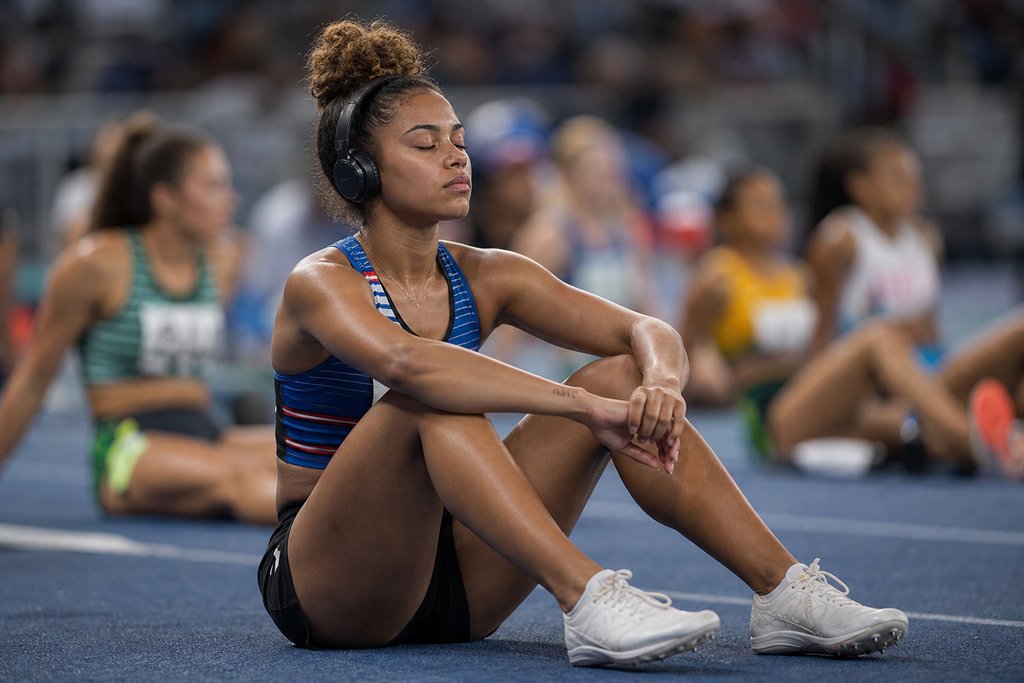
Why Sports Psychology Is the Secret Weapon Most Junior Athletes Are Missing
Walk into any junior training session and you'll see coaches focused almost entirely on physical execution. Technique drills. Interval sets. Tactical exercises. And all of that matters enormously. But the athletes who make the leap from good to exceptional almost universally have one thing in common: they've done the mental work too.
Sports psychology research has moved far beyond "just believe in yourself." Modern mental performance training involves concrete, teachable skills that any athlete can develop — at any age, in any sport.
The Skills That Actually Matter
1. Pre-competition Routines
Consistent pre-competition routines reduce performance anxiety and activate optimal arousal states. A routine isn't a superstition — it's a trained trigger that signals to the nervous system that it's time to perform. Junior athletes who develop these from age 12–14 enter their late teens with years of rehearsal behind them.
2. Self-Talk Management
The internal monologue of a junior athlete under pressure determines more than any technical variable. Research from Hatzigeorgiadis et al. (2011) shows instructional self-talk significantly improves performance on fine motor skills, while motivational self-talk improves endurance output. Teaching athletes to notice and redirect negative internal dialogue is one of the highest-return interventions a coach can make.
3. Focus Control and Attention Management
Junior athletes are highly susceptible to distraction — crowd noise, a rival athlete, a bad call from an official. Focus control skills teach athletes to redirect attention to process cues (what they can control) rather than outcome cues (what they can't). This skill is trainable and transferable across all sports.
4. Goal Setting That Actually Works
Most junior athletes set vague, outcome-focused goals ("I want to win"). Research consistently shows process goals ("I will execute my race plan for the first 400m") drive better performance. Coaching athletes to set layered goals — outcome, performance and process — creates a framework that sustains motivation regardless of results.
Starting Young
The most important finding from the last decade of youth sport psychology research: mental skills training is most effective when introduced early and practised consistently. An athlete who has been managing pre-race anxiety since age 13 is fundamentally different from one who encounters it for the first time at a major competition aged 17.
All of this — plus practical session-by-session mental training plans — is covered in full in Mind To Succeed, available in the To Succeed series.