161 Years Older Than Almost Any Other Sport's Rulebook: The Real History of the Laws of Cricket
Most sports have rules. Cricket has Laws, always written with a capital L, and the distinction is not just a stylistic quirk — it reflects a genuinely unusual piece of sporting history that is worth a young player understanding before they open Cricket To Succeed.
Before There Were Laws At All
The earliest known written code for the game dates to 1744, drawn up before cricket had any single governing authority. Matches in the eighteenth century were often organised privately between wealthy patrons, and gambling was rife among the English aristocracy of the period — a large "purse" riding on a single match was not unusual, and a consistent, agreed framework of rules became genuinely necessary as the stakes grew.
1788: The MCC Steps In
The Marylebone Cricket Club (MCC), formed by leading noblemen and gentlemen playing the game, had been established only a year earlier when, on 30 May 1788, it produced its own first Code of Laws. That code defined fundamentals still recognisable today — the length of the pitch, the distance between the wickets, and the ways a batter could be given out.
Still the Same Custodian, 238 Years Later
What makes this genuinely unusual among major sports is continuity of ownership. Since 1788, the Laws have been owned and maintained by the same private club, the MCC, based at Lord's Cricket Ground in London — not by an international federation created for the purpose, as is the case with almost every other global sport's rulebook. There are currently 42 Laws in the modern code, covering everything from the dimensions of the pitch to the precise conditions for a no-ball.
Why This Still Matters on a Junior Pitch
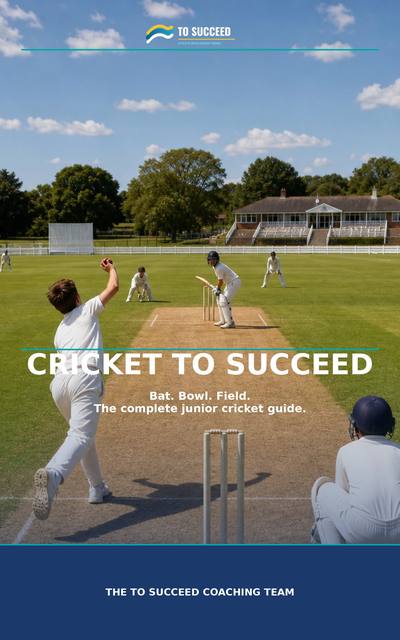
The Laws have of course been revised repeatedly since 1788 — bowling actions, protective equipment and format changes have all required updates the eighteenth-century authors never anticipated. But the core framework a young cricketer learns today — pitch length, how a wicket falls, what counts as a fair delivery — traces an unbroken line back to that 1788 code in a way genuinely few other sports can claim. Cricket To Succeed teaches batting, bowling and fielding as they are actually played under the current Laws, but it is worth a young player knowing that the framework itself is one of sport's oldest continuously maintained rulebooks.