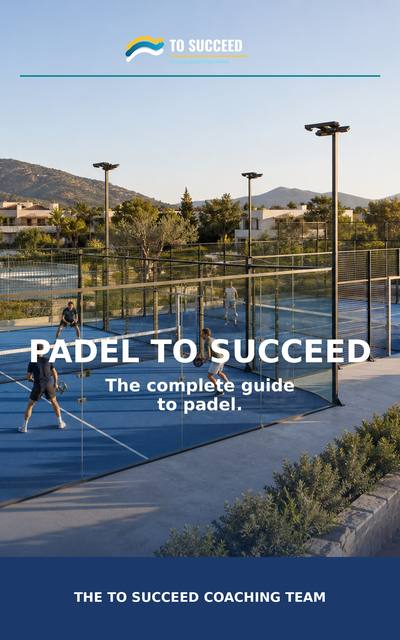
Padel to Succeed: The Rules Behind Ireland's Fastest-Growing Racket Sport
Padel is the fastest-growing racket sport in Ireland right now — new courts have opened at hotels, golf clubs and GAA grounds in counties that had none two years ago. It looks like a smaller, glass-walled cousin of tennis, and in some ways it is, but the rulebook has real differences that catch new players out.
The Court and the Walls
A padel court is roughly a third the size of a tennis court (10m x 20m), enclosed by glass and mesh walls on all sides, and almost always played in doubles. The walls are legally in play: after the ball bounces once on your side of the net, you can play it off a wall before it lands, the same way squash allows a wall rebound — a shot that would simply be out on a tennis court can stay alive here.
Serving and Scoring
The serve is underarm and must be struck below waist height, bounced first on your own side before being hit diagonally into the opposite service box — no overhead serve, ever. Scoring follows tennis exactly: 15, 30, 40, game, with deuce and advantage at 40-40, and sets played to six games. If you already know how a tennis scoreboard works, padel needs no relearning there.
What Actually Trips Up New Players
The two habits that take longest to unlearn from tennis: reaching to smash a ball out of the air that would have been playable off the back wall, and standing too far back, since the small court rewards being close to the net far more than tennis does. Because the court is enclosed, rallies also run longer than tennis rallies of a similar skill level — the ball rarely goes out, so points are usually won by working an opponent out of position rather than hitting a clean winner.
Padel to Succeed covers technique, doubles positioning and match strategy in full, for anyone picking up a racket for the first time or looking to actually win rallies rather than just return the ball.