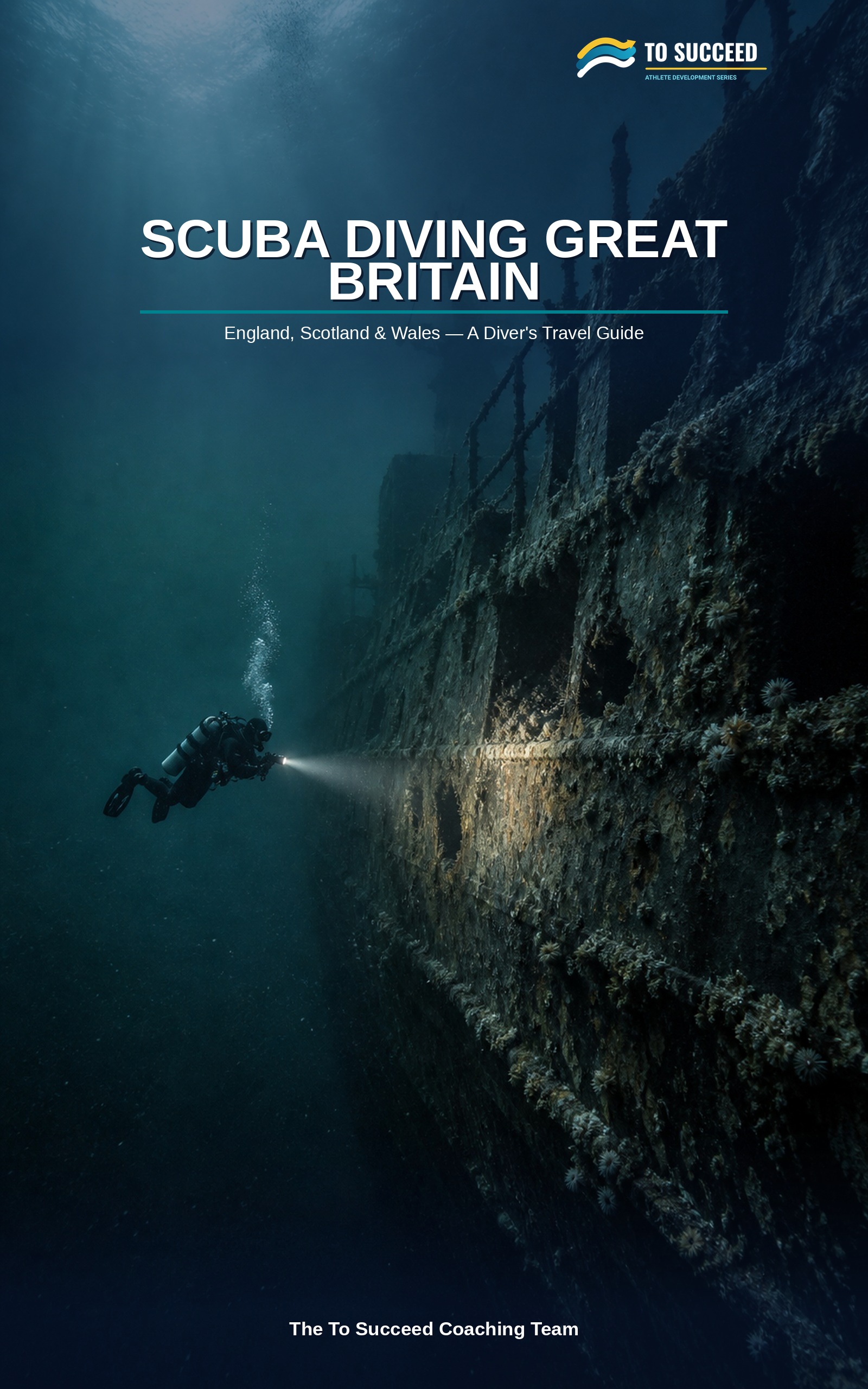
Scapa Flow's Scuttled Fleet: How Ernest Cox Salvaged the World's Greatest Wreck-Diving Site
Scapa Flow, in Orkney, is one of the most significant wreck-diving sites anywhere in the world — and the story behind it is as remarkable as the wrecks themselves. At the end of the First World War, the interned German High Seas Fleet lay at anchor there under British guard, awaiting a decision on its fate at the Paris Peace Conference. Rather than see his ships handed over to the Allies, Rear Admiral Ludwig von Reuter gave the order on 21 June 1919 for the entire fleet to be scuttled by its own crews. In a matter of hours, dozens of German warships went to the bottom of Scapa Flow — the largest single loss of naval shipping in history, all in one afternoon.
The Salvage That Followed
Most of the fleet was eventually raised in one of the most ambitious marine salvage operations ever attempted, much of it led through the 1920s and into the 1930s by the engineer Ernest Cox, a scrap-metal dealer with no formal naval-engineering background who bought the salvage rights and then worked out, largely by trial and error, how to actually raise battleships and battlecruisers from the seabed. Several of the largest wrecks were judged too difficult or too deep to be worth raising and were left where they sank — and it is those remaining wrecks that make Scapa Flow the dive site it is today.
What's Still Down There
Scuba Diving Great Britain covers the wrecks that remain in real detail — named ships, sourced depths, and an honest account of what each dive actually involves, rather than the vague "several wrecks lie here" treatment this kind of site often gets. Scapa Flow's wrecks range from easy, shallow introductions to serious technical dives on deeper hulls, which is part of why the site has drawn divers from around the world for decades.
Why This Book Exists
Scuba Diving Great Britain is the direct sequel to Scuba Diving Ireland, covering England, Scotland and Wales in thirteen regional chapters — Scapa Flow among them, alongside the Farne Islands' seal colonies and Cornwall's reefs. The book follows the same rule the Ireland title set: where a fact couldn't be pinned down or a source disagreed, it says so, rather than printing a confident-sounding guess.