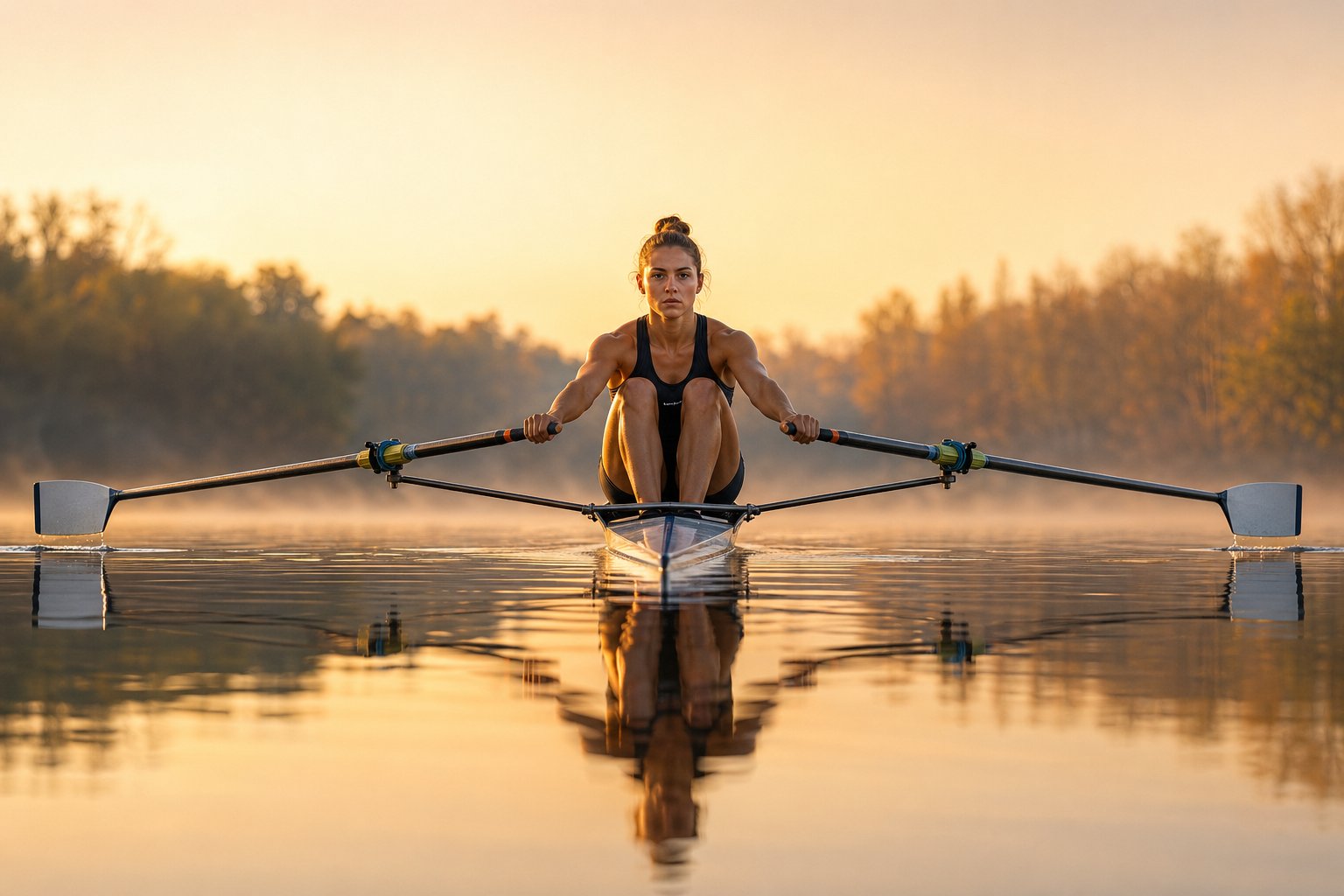
Ireland's Rowing Revolution: Skibbereen, the O'Donovan Brothers and a Small Club's Outsized Story
When Paul O'Donovan and Fintan McCarthy crossed the line first in the lightweight men's double sculls at Tokyo 2020, it was Ireland's first ever Olympic gold medal in rowing. When the same pair repeated it at Paris 2024, it stopped being a one-off and started looking like a pattern. Both men row out of the same club, in a town of around three thousand people on the Ilen River in West Cork.
That is worth pausing on before getting into the technique of the sport itself, because it says something about how rowing success is actually built — not by accident, and not overnight.
A Club That Started From Nothing
Skibbereen Rowing Club began in 1970, founded by a small group who wanted to bring the sport to the town. There was no existing rowing tradition to draw on and no inherited infrastructure — just people who decided to start one. Over the decades that followed, it grew into what is now widely regarded as the most successful rowing club in Ireland, producing internationals across multiple Olympic cycles rather than one standout generation.
Two Brothers, Two Different Olympic Stories
Paul O'Donovan is the more familiar name now, but his older brother Gary was part of the story first. The brothers rowed together in the lightweight double sculls at Rio 2016 and took silver — Ireland's first Olympic rowing medal in the discipline — then followed it with gold at the 2016 European Championships and gold again at the 2018 World Championships. Gary stepped back from international competition after that; Paul went on to partner Fintan McCarthy for the two Olympic golds that followed.
Both brothers grew up near Skibbereen — Gary in Lisheen, schooled locally at St Fachtna's De La Salle — which is part of why the club's own account of itself leans so heavily on being a genuinely local institution rather than a performance academy that happened to be based there.
What This Actually Means for a Junior Rower
It is tempting to tell this story as inspiration and leave it there, but the more useful lesson for a young sculler is a practical one: elite rowing success in Ireland has not come from a small number of big, well-resourced centres. It has come disproportionately from clubs that built strong coaching and a real training culture over many years, in places with no particular geographic or population advantage. Row To Succeed covers sculling, sweep rowing and coxing technique in detail — none of it depends on training somewhere famous. It depends on consistent, well-coached time on the water, which is exactly what Skibbereen's history actually demonstrates.